
Electric Shower Installation
The electrical side of fitting or replacing an electric shower, done with the right cable, the right protection and a certificate at the end.
An electric shower is one of the most demanding appliances in a home. It heats water instantly as it flows through, which means it draws a large current for as long as it runs. That is why it needs its own circuit, and why the cable and protection behind it matter as much as the unit on the wall. Adtec Electrical has been wiring showers in homes around Wantage since 2014, and this page covers what is involved whether you are replacing an old unit or adding a shower for the first time.
Like-for-like replacement or a new install?
A like-for-like replacement is the simplest job: the old unit has failed or looks tired, and the new one is a similar rating in the same position. If the existing circuit is sound, correctly protected and suits the new unit, we can often reconnect to it after testing.
A new install means there is no suitable circuit yet. That might be a shower in a new en-suite, a move from a mixer shower to an electric one, or a unit in a different spot. Here we run a dedicated circuit from the consumer unit, fit a suitable isolator and connect the shower. Moving to a more powerful model often falls into this category too, because the original cable may not have been sized for it.
Why cable size and circuit protection matter
The higher a shower's kW rating, the more current it draws. The cable has to carry that current without overheating, taking into account its length and how it is installed: cable buried in insulation or bunched with other cables cannot carry as much as cable in free air. Get this wrong and the cable runs hot, connections deteriorate and, at worst, it becomes a fire risk. Scorched terminals and melted pull-cord switches are a common sign of a shower that has outgrown its circuit.
Protection matters just as much. The circuit needs the right rating of protective device, and in a bathroom it needs RCD protection, which disconnects quickly if current leaks to earth. We check both before connecting any new unit.
When the consumer unit needs attention
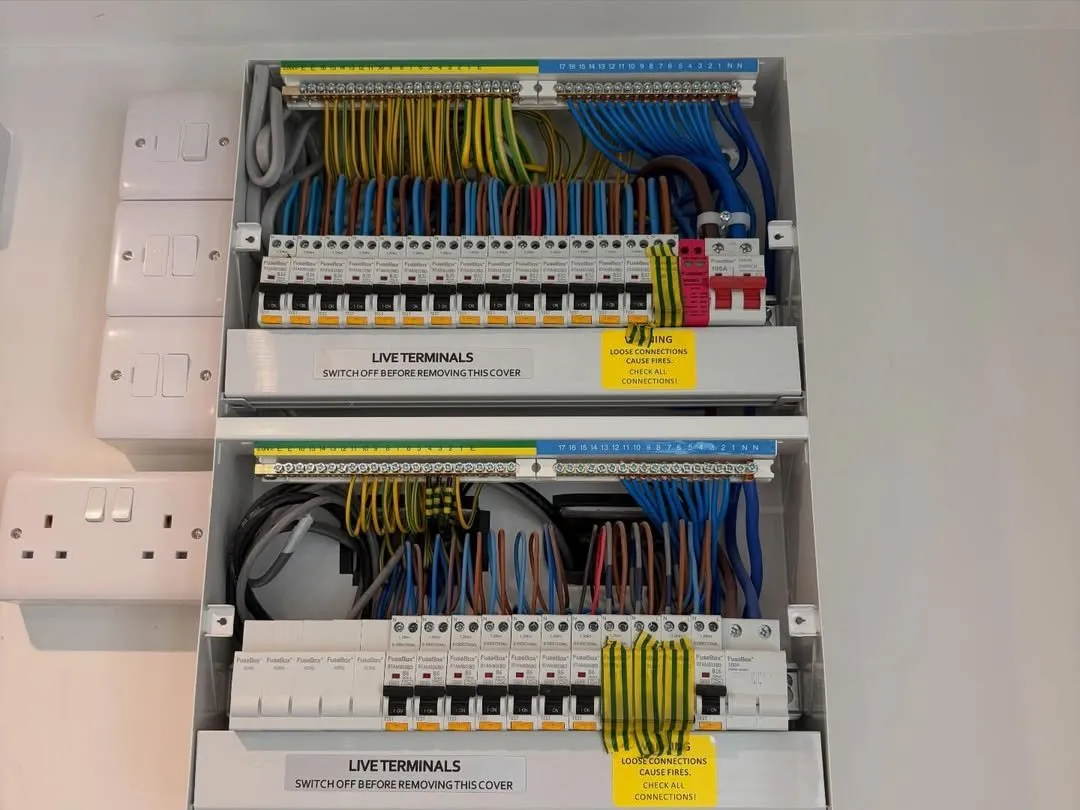
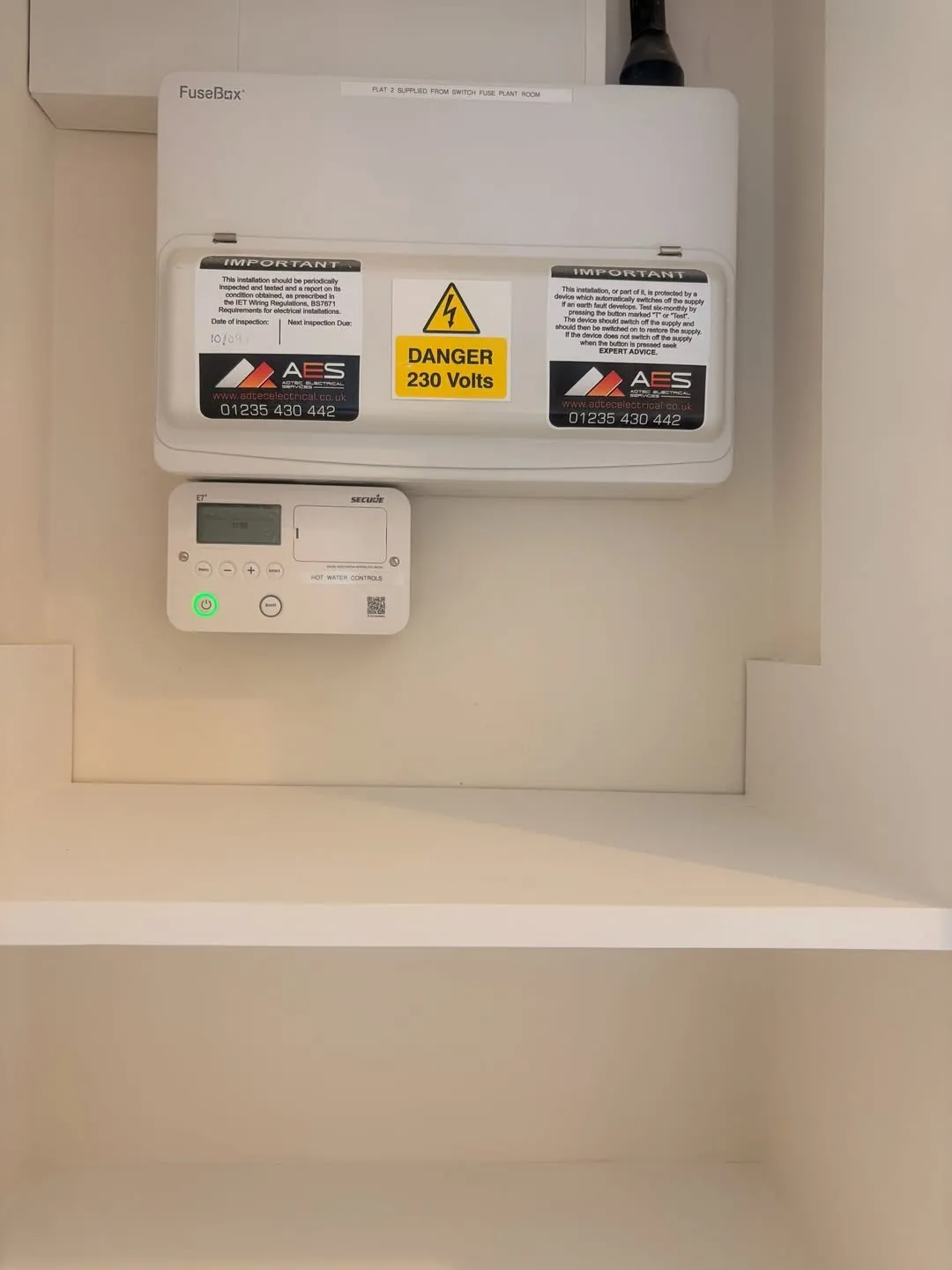
Sometimes the shower itself is straightforward but the consumer unit is not. An older board may have no spare way for a new circuit, no RCD protection, or rewireable fuses that are not suitable for a high-current load. In those cases we will explain the options, which may include replacing the board. Our page on consumer unit upgrades explains what that involves, and our guide on what affects consumer unit upgrade cost covers the factors behind the price.
Working alongside bathroom fitters
If your shower is part of a new bathroom, the best time to sort the electrics is at first fix, before the walls are boarded and tiled. We run the cable to the right position and agree with your fitter exactly where the unit and isolator will go. Once the tiling is finished we come back to connect up and test. Bringing us in late usually means chasing into new tiles or surface trunking, which nobody wants.
Certification
A new shower circuit is new electrical work in a special location, so it is tested and you receive an Electrical Installation Certificate. A replacement on an existing circuit is still tested, with the certificate matched to the work done. Keep it with your house documents, as buyers' solicitors often ask for it. Our guide to Building Regulations and electrical work gives general background on bathroom work.
What to have ready before we visit
- The make and kW rating of the shower you have, or the one you want to fit.
- Clear access to the consumer unit and, ideally, the route the cable will take.
- An idea of where the unit and pull-cord or isolator will go.
- Your bathroom fitter's details if one is involved, so we can agree timings.
If your existing shower keeps tripping the electrics or has stopped heating, it may be a fault rather than a worn-out unit. Our fault finding page explains how we track problems down.
Areas
We fit electric showers in homes around Wantage, Abingdon and Didcot, and across the nearby villages. Call 01235 430442 (Monday to Friday, 7:30am to 5:30pm) or send us the details for a quote.