
Electrical Testing & Certification
Three documents cover nearly everything: one for new work, one for small changes, and one that reports on what is already there.
Electrical certificates can seem like paperwork for its own sake until you need one: when selling a house, letting a flat, renewing a commercial lease or making an insurance claim. In the UK the standard behind them is BS 7671, the wiring regulations, which set out how installations should be designed, installed, inspected and tested. Here is what each document is for.
Electrical Installation Condition Report (EICR)
An EICR is a health check on an existing installation. We inspect the consumer unit, wiring, accessories and earthing, then test a sample of circuits, or all of them, to see whether anything has deteriorated, been damaged or no longer meets current safety standards. The report lists anything found, graded by urgency, and states whether the installation is satisfactory overall.
EICRs are what landlords need for rented homes and what many commercial landlords and insurers ask for. They are also useful for anyone buying an older house. See landlord and homeowner EICRs and commercial testing.
Electrical Installation Certificate (EIC)
An EIC is issued when new electrical work is installed: a new circuit, a new consumer unit, a rewire or a whole new installation. It confirms the work has been designed, installed, inspected and tested to BS 7671, and includes the test results for each circuit. You get one at the end of jobs like a consumer unit upgrade or a rewire.
Minor Electrical Installation Works Certificate
Usually just called a Minor Works Certificate. It covers small additions or alterations to an existing circuit that do not involve a new circuit, such as adding a socket, moving a switch or replacing a light fitting. It is shorter than an EIC but still records the tests that show the work is safe.
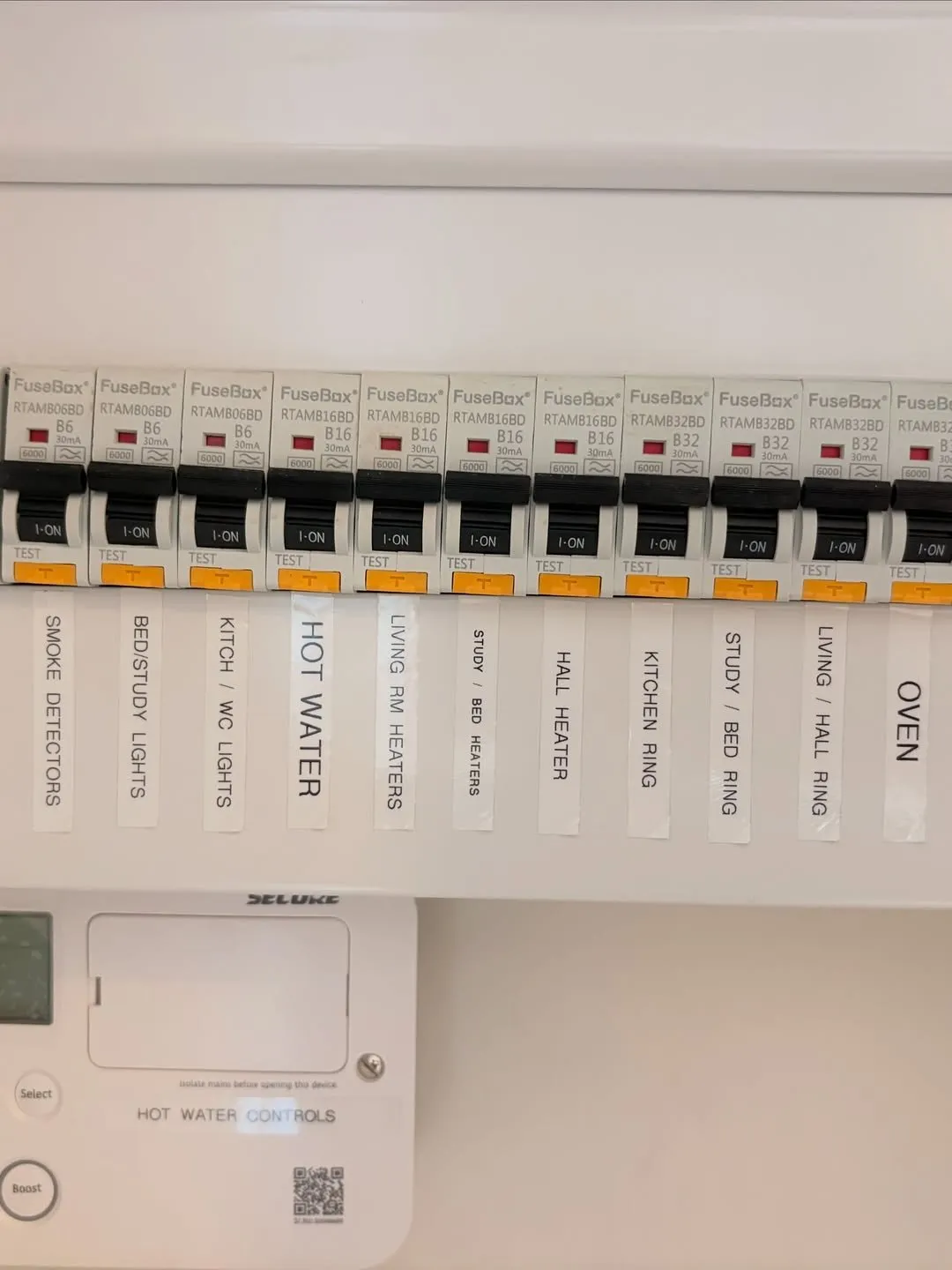
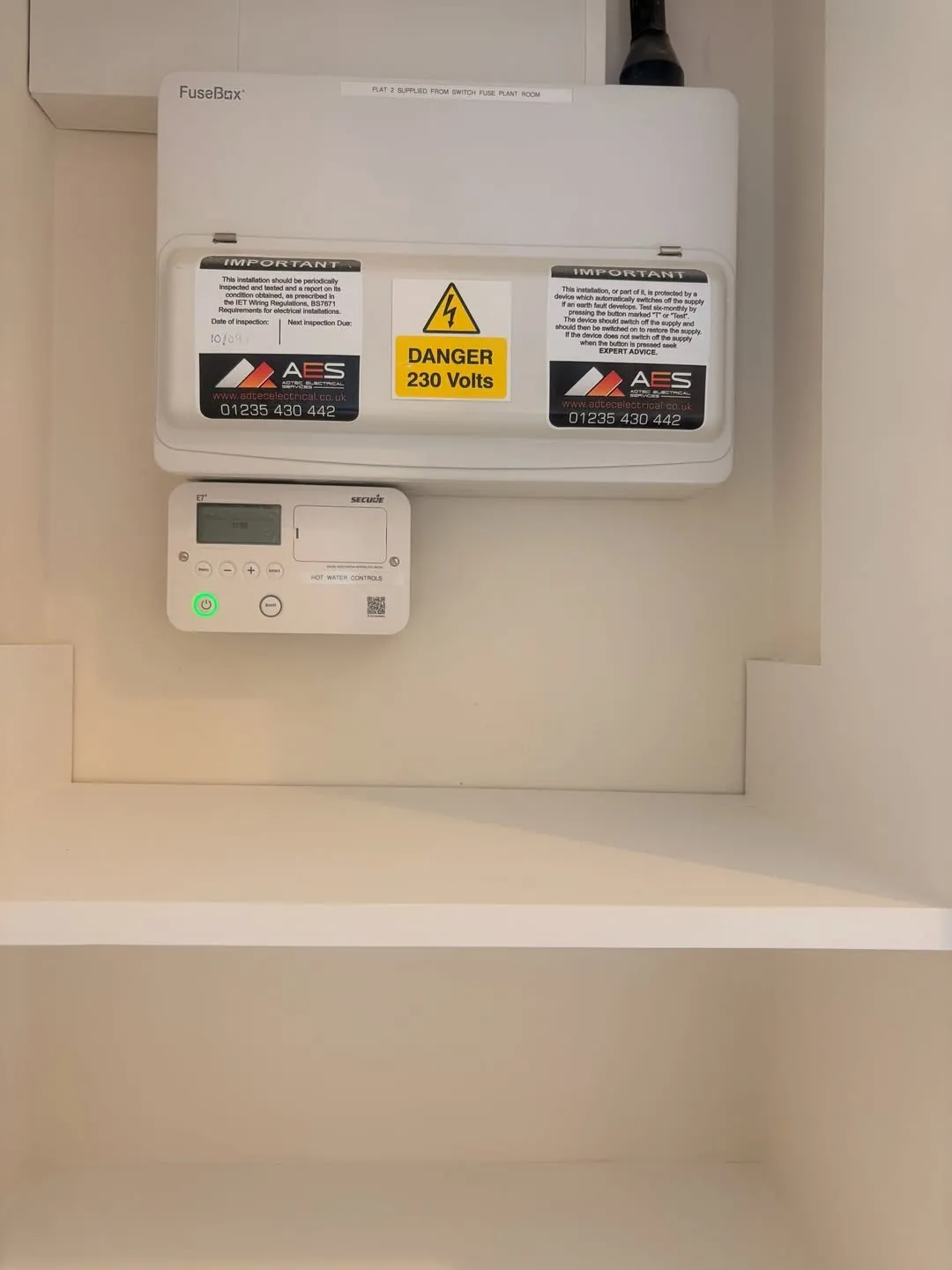
How often should testing happen?
There is no single answer, because it depends on how a building is used. As general guidance:
- Owner-occupied homes: around every ten years, and when a property changes hands.
- Rented homes: at least every five years, and private landlords in England are legally required to have one. Check gov.uk for the current rules.
- Commercial premises: commonly every five years for offices and shops, and more often for buildings with harder use, such as some industrial sites.
The inspector sets the recommended date for the next inspection on every report, based on what they find. An installation in poor condition may be given a shorter interval.
What happens after a report
If the report shows faults, we will explain them in plain English and quote for the remedial work. Once that is done, the work is certified so you have a clear paper trail. To understand what affects the price of a report, read our guide on EICR costs.