
Landlord & Homeowner EICRs
A clear, honest report on the condition of the electrics in a rental or a home you own, and help putting right anything it finds.
An Electrical Installation Condition Report, or EICR, tells you whether the fixed electrical installation in a property is safe to keep using. For landlords it is a legal requirement. For homeowners it is a sensible check on an older property, after buying a house, or before a renovation.
Landlords: the five-year rule
As general guidance, private landlords in England must have the electrical installation in each rented property inspected and tested by a qualified person at least every five years, and give a copy of the report to tenants. If the report says further work is needed, it must be carried out within the time allowed and confirmed in writing. The rules are set by government and can change, so please check the current guidance on gov.uk. We can't give legal advice, but we can make sure the inspection side is done properly.
What the inspection involves
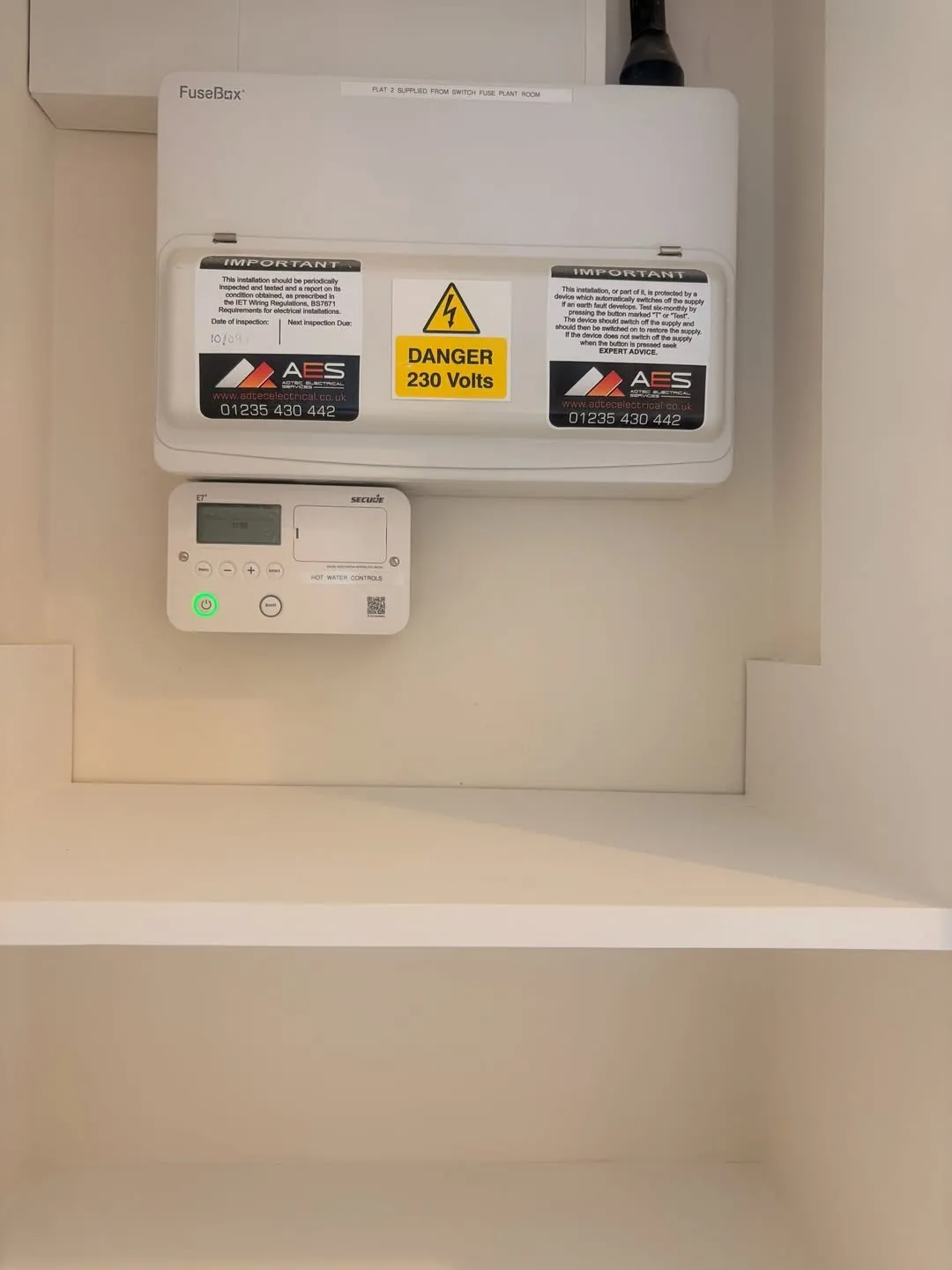
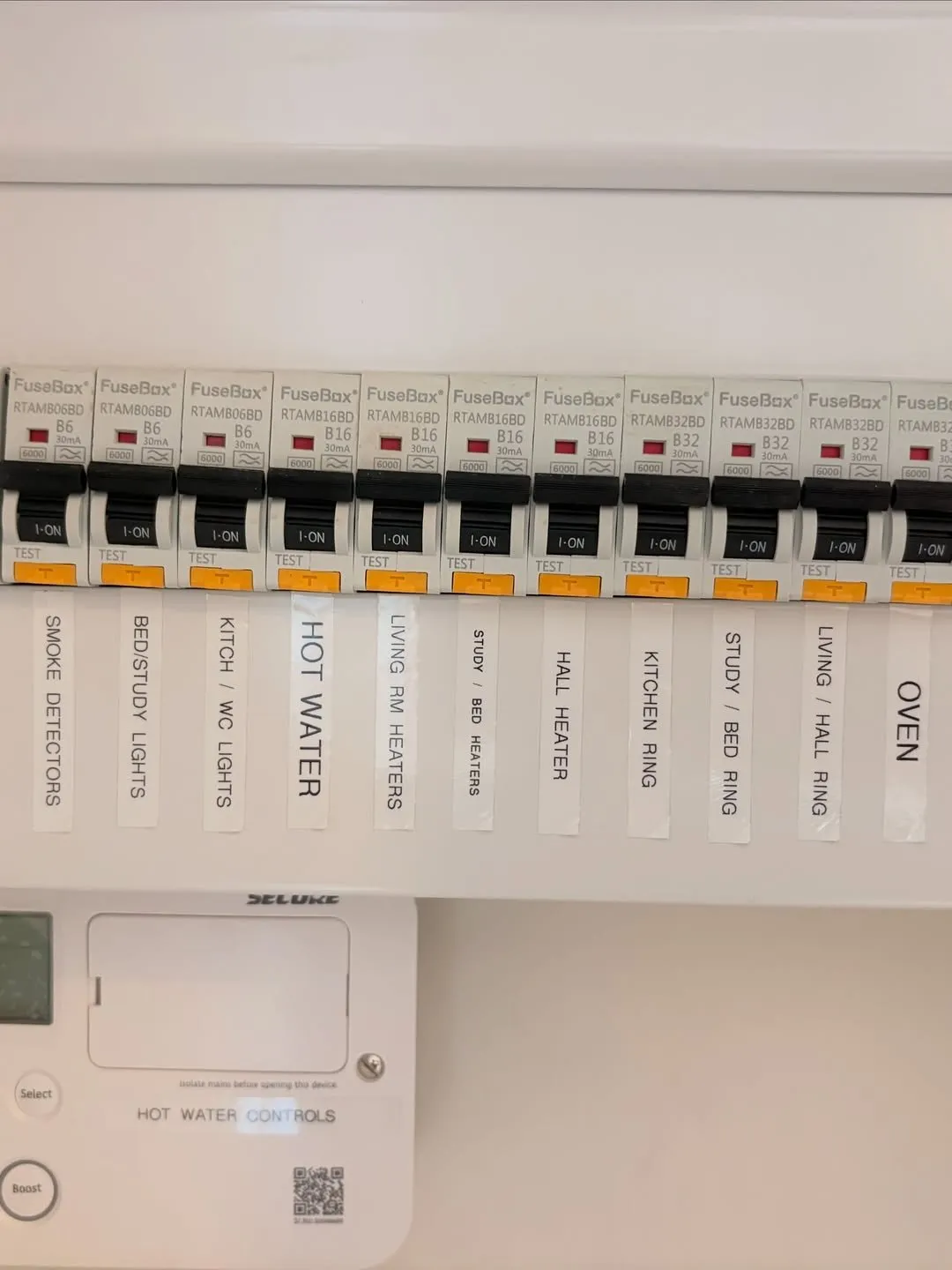
- A visual inspection of the consumer unit, sockets, switches, light fittings and visible wiring, looking for damage, wear, overheating and anything that does not meet current standards.
- Testing. With circuits isolated in turn, we test earthing and bonding, insulation resistance, polarity and how quickly protective devices such as RCDs disconnect.
- The report. Findings are recorded and coded, and the installation is given an overall result: satisfactory or unsatisfactory.
The power will be off for periods while we test, so let tenants know, and make sure we can reach every room and the consumer unit.
What the codes mean
- C1: danger present. A risk of injury exists right now. We will make it safe there and then where we can, with your agreement, and explain what needs to happen next.
- C2: potentially dangerous. Not an immediate danger, but could become one. It needs putting right promptly.
- C3: improvement recommended. Does not meet the current standard, but is not unsafe. Worth considering, but it does not make the report unsatisfactory on its own.
- FI: further investigation. Something needs looking into more deeply before a code can be given, for example a circuit that cannot be traced.
Any C1, C2 or FI means the overall result is unsatisfactory.
Remedial work afterwards
If the report is unsatisfactory, we will talk you through each item, explain which are urgent and give a written quote for the work. Common remedials include adding RCD protection, replacing a damaged accessory, improving earthing and bonding, or replacing an outdated consumer unit. Occasionally the report shows wiring that is past repair and a rewire is the honest answer.
Once remedial work is done, it is certified, so landlords have the written confirmation they need.
Rented properties in Oxford and Swindon
Much of our landlord work is in the bigger towns on our patch. In Oxford that often means Victorian and Edwardian houses converted into flats or shared homes, where several consumer units and older wiring can add time to the inspection. In Swindon it is more often terraces and post-war houses let to families. Either way, the inspection follows the same standard, and we coordinate access with you or your tenants.
Homeowners
If you live in the property, an EICR is not required by law, but it is a good idea roughly every ten years, after buying a home whose electrical history you don't know, or before a big project such as an extension or kitchen. It also helps when something keeps going wrong: if you are dealing with repeated faults, a report gives the full picture. Wondering what affects the price? Read our guide on EICR costs.